Addressing the twin problem of hunger and education
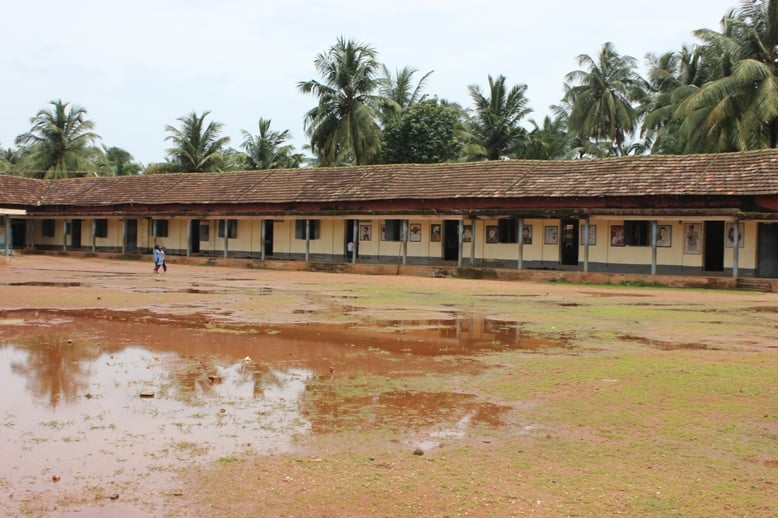
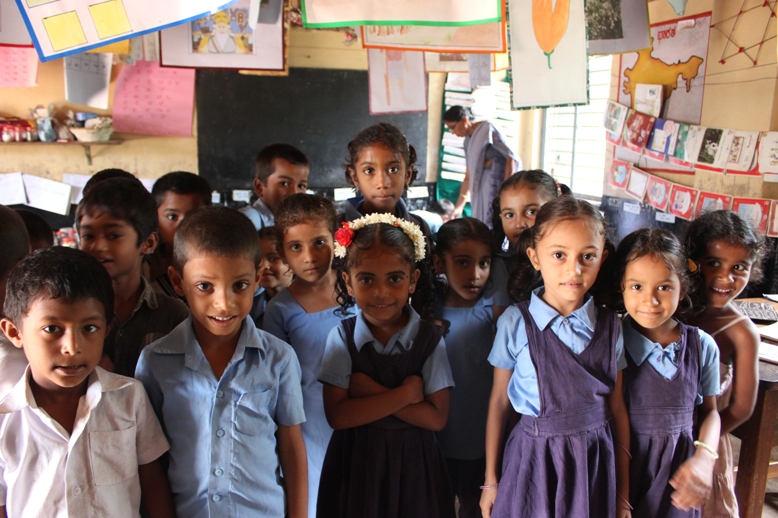 Safa Farooq is a second standard student at the Government Higher Primary School in Bengre Kasba located in the city of Mangalore. She along with her classmates poses for a photograph, and immediately they all want to see the photograph. Giggles and twinkling eyes, say that they are happy with it. She is eagerly waiting for the mid day meal to be served at the school, especially the sweet made of whole wheat, jaggery and coconut, locally known as ‘payasa.’
The seven year old is shy and answers all the questions about her school, her classes and the mid day meal with a smile and a nod. The principal says, “Though she is a very good student, who excels at academics and cultural activities right now she is overwhelmed because she has been selected to be interviewed. When asked if her home is accessible by road, she says, “We can walk, it is nearby.” Walking for around 10 minutes through lanes bordered with thatched houses, we finally arrive at Safa’s house.
 Safa lives with her parents, her maternal grandparents and two of her aunts as well. Safa’s mother rolls ‘beedi’ for a living. A beedi is a thin, Indian cigarette filled with tobacco flake and wrapped in a tendu leaf tied with a string at one end. Rolling beedis involve huge manual work. A lot of women in the district of Dakshina Kannada in the Indian state of Karnataka involve themselves in the work to supplement the family income. This is an advantage considering that they don’t have to report to work but can do the work sitting in their backyards. Safa’s mother, Sabana Banu, says, “For every 100 beedis we roll, we are paid INR 10. So in a week, I earn about Rs. 300. My husband undertakes small errands in the locality. As a family we don’t earn any fixed income.”
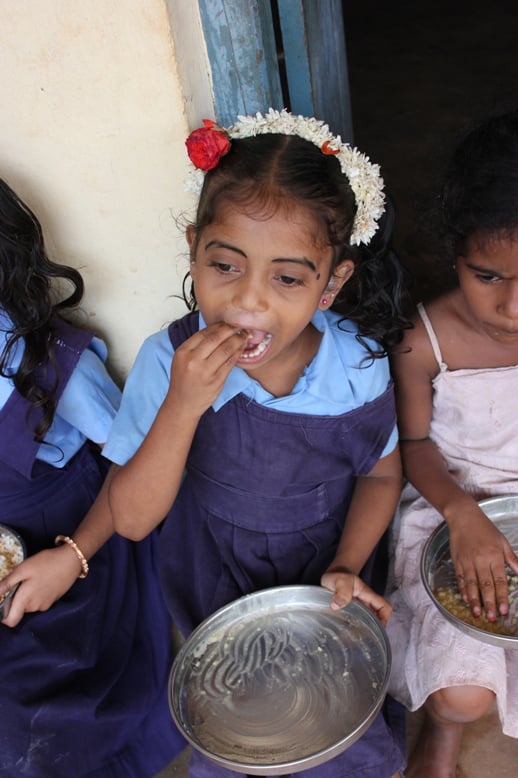
Safa’s mother and aunts deposit a sum of Rs. 20 each every week at a local self-help group. They say, the self help group has helped the family. The self-help group has extended a loan of Rs10,000 through which the family has been able to pay the fees of Safa’s older siblings who are now in college. Safa being the youngest goes to the government school. They say, “Considering the family’s economic condition the mid day meal is a blessing. The child often talks about the variety in the menu. By her explanations, we know that she likes the payasa and the pulao the most. Not even once has she complained about the food.”
 Safa is too young to understand the family’s economic condition or the impact of the mid-day meal on her health. But the smiles, healthy features, and her enthusiasm to attend school, are what stands as a testimony to the success of achieving the objective of mid day meal programme – tackling the twin challenge of hunger and malnutrition.


